Cart
No products in cart
Since 1996, all cars must have an OBDII port. What exactly is it for?
Author: Maddy Phillips NOCO® Team Leader
What is OBDII?
Since 1996, all cars have been required to have an OBDII port. This is an on-board diagnostic system and is used by drivers everywhere to access their vehicle's computer system. Originally implemented to monitor and maintain EPA (Environmental Protection Agency) emissions standards, OBDII ports are now used as an engine management system in every modern vehicle.
Engine management systems.
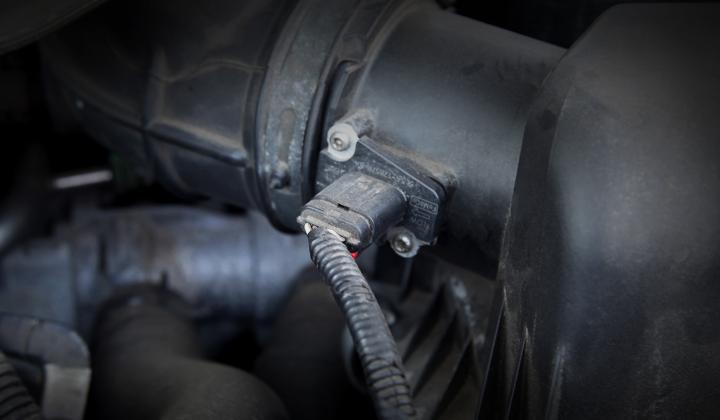
An engine management system such as OBDII technology can be divided into three main parts: the inputs, the processing unit, and the outputs. The inputs are sensors in various parts of the engine that monitor a wide variety of conditions that affect its operation. You can see a common engine sensor pictured to the right. These sensors feed data to the processing unit, also known as the vehicle computer.
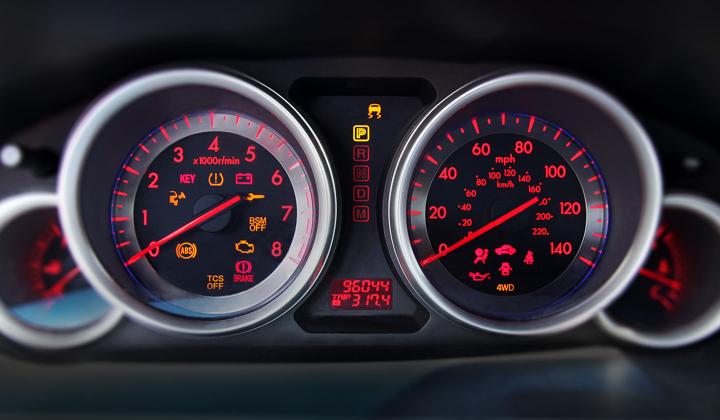
The main computer analyzes all the inputs simultaneously so that it can manipulate the engine’s outputs: fuel injectors, manifolds, and transmission solenoid valves. This allows for proper fuel rationing, proper ignition timing, and proper operation of the transmissions as the car changes gears. If the computer senses that something is wrong with the vehicle, the malfunction indicator lamps (MIL) become visible on the dashboard.
Malfunction indicator lights.
MILs have been used for decades to alert drivers to the condition of their vehicles. These amber lights come on when a car’s computer has detected a specific issue. Common MILs indicate low fluid levels, headlight status, and most importantly, the check engine light or “engine management system.” Having a steady check engine light on your dashboard doesn’t necessarily mean you’re going to incur major expenses. When the light comes on, it simply means that sensors have detected a change in the emissions control system, fuel mixture, engine performance, electrical system, or drivetrain. However, driving with a flashing check engine light indicates that the driver should stop driving immediately. A flashing check engine light means that continued driving could damage important systems. When the check engine light appears on your vehicle's dashboard, you need to find the cause of the problem using the OBDII port.
Engine diagnosis via OBDII.
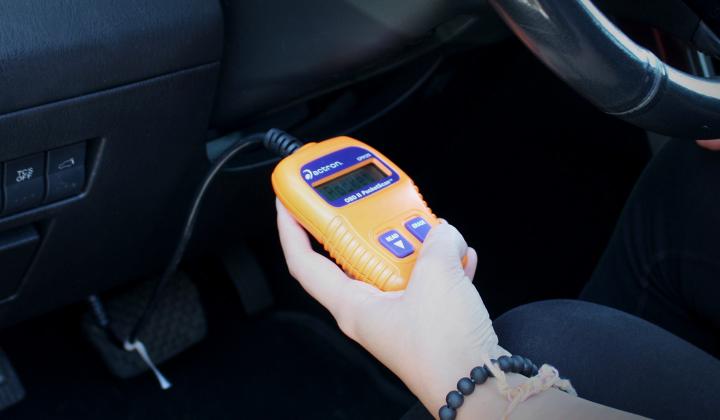
The OBDII port provides direct access to your vehicle’s computer. You’ll first need a code scanner, which can be purchased at a reasonable price from any auto parts store. Many auto parts stores even offer free code scanning services. The OBDII port is usually not in plain sight and can be found under the steering wheel. Once the scanner is connected, turn the key to accessory mode, but do not start the engine. You will be able to receive “trouble codes” that the vehicle’s computer receives from its sensors. Note: it is recommended that you turn off all electrical accessories during this time, as running them can lead to an incorrect code. Code scanners are valuable diagnostic tools, but they do not provide interpretations of what is wrong with your car. The codes simply indicate that there is a problem with a specific sensor somewhere in your engine. However, that does not mean that these codes are not useful. As you might imagine, car models from the same generation tend to have the same problems.
Searching for your codes online can help you connect with others who have had and solved the same problems you are experiencing. Mechanics also have extensive documents that further explain the code for your specific vehicle. OBDII codes are invaluable to both self-taught and professional automotive mechanics, but the use of the OBDII port doesn’t stop at troubleshooting.
What else is possible via the OBDII port?
In newer cars, OBDII acts as a gateway to a modern driving experience. For example, insurance companies like Progressive and All-State have OBDII “plugs” that track your driving habits. These can save you hundreds on your car insurance premiums.
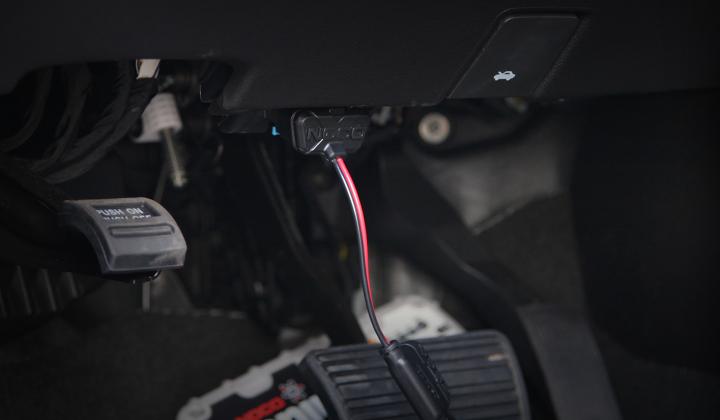
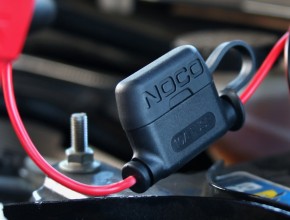
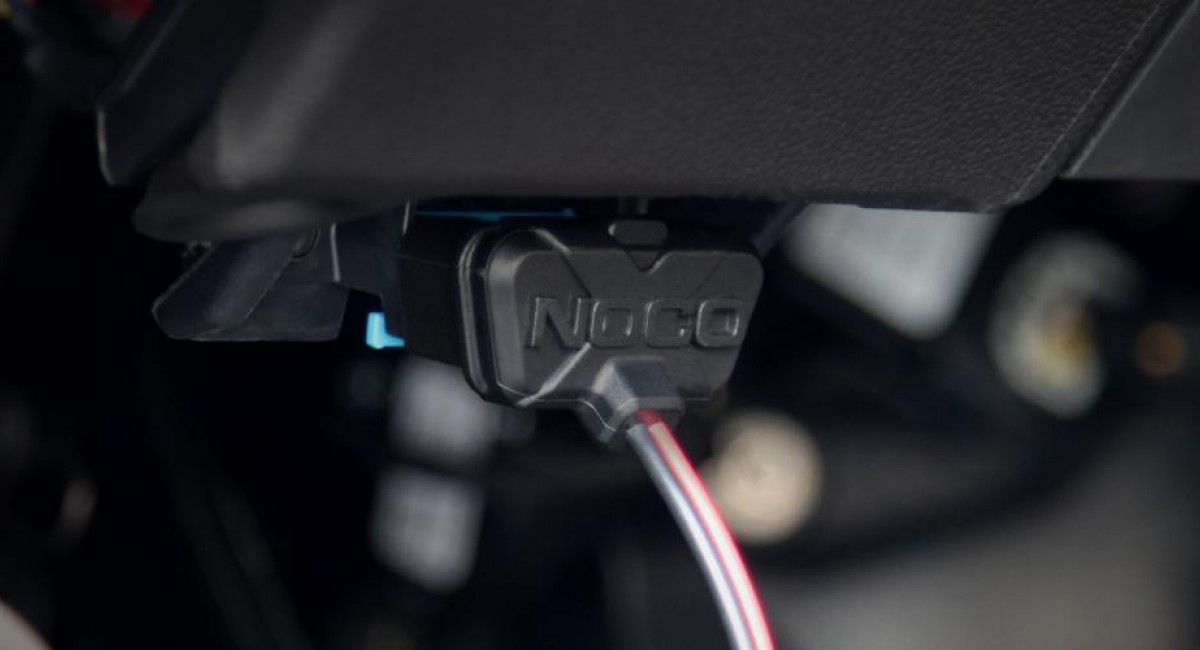
Want to charge your battery without opening the hood? With an OBDII to X-Connect accessory, you can charge your battery directly with a smart multi-use battery charger. This is a perfect solution for someone with a car that is only used on the weekends and wants a non-invasive trickle charging solution.
You can even connect to your car’s computer with your smartphone. For true car enthusiasts, there are even a variety of apps that let you track data like throttle position, fuel flow, steering angle, turbo boost, and G-forces. Using an OBDII port and a smartphone app, you can train yourself to drive efficiently. These apps tell you if you’re accelerating or braking too hard, and when to coast to save fuel. You can even opt for safety features like location tracking. With OBDII and car computer technology coming so far in just 10 years, it’s exciting to imagine what the next few decades will bring.