Cart
No products in cart
Guide to replacing your car battery
Author: Nicolas Andre NOCO® Team Leader
Knowing how to change a car battery is an essential skill, especially if you want to save money on car repairs. Replacing a battery will cost you about $70 in labor. Save money by learning how easy it is to replace your car battery yourself. Follow this step-by-step guide and learn how easy it is to change your vehicle's battery.
Security & Supplies
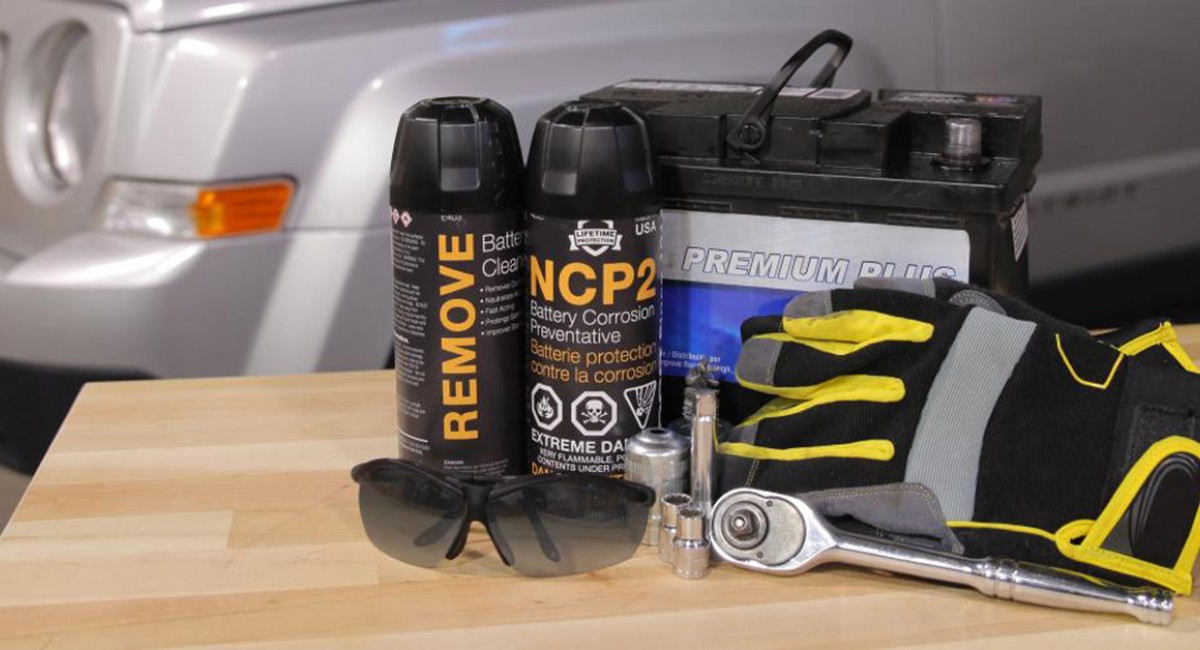
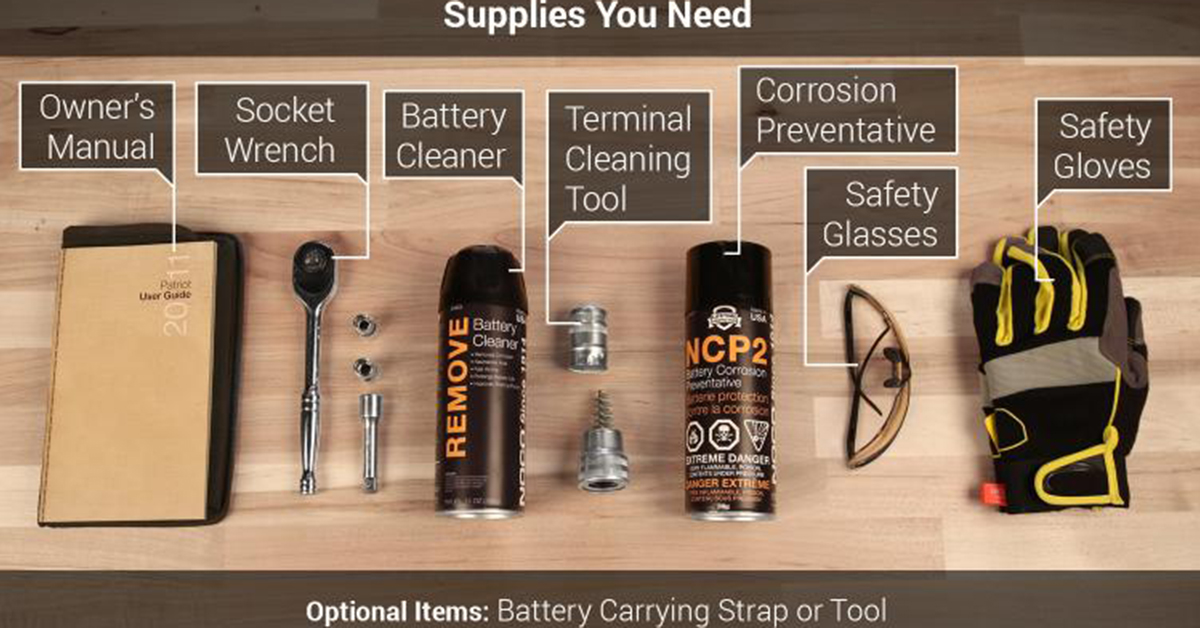
Follow proper handling and safety procedures when working with car batteries. Lead-acid car batteries contain hydrogen and oxygen gases that can be explosive and cause serious burns. Read the Battery Safety section before replacing your car battery to avoid possible injury. You will need the following supplies: New Car Battery, Owner's Manual, Screwdriver and Sockets, Battery Removal Cleaner, Terminal Cleaning Tool, NCP2 Corrosion Preventer, Safety Glasses, and Safety Gloves.
Locate your Battery
To find your vehicle's battery, refer to your owner's manual. Depending on your vehicle, your battery could be in the trunk, under a floor panel, or even hidden behind a wheel well. Locate the positive and negative terminals and the wires connected to them. The positive terminal may have a red cap or a red wire. There should also be a "+" symbol printed or stamped on the battery near the positive terminal.
Removing Spray on Battery Terminals
Battery Stripping Cleaner E403 instantly neutralizes, dissolves and removes battery corrosion from battery terminals, cables and battery mounts. It is formulated to ensure maximum current flow and reduce potential voltage leakage.
Removing Battery Holders
Using a combination wrench or ratcheting screwdriver, remove the battery retaining clamp. *Tip: Set the parts and connectors aside to avoid any leakage or loss. *
Removing the Negative Battery Cable
Using a wrench, loosen the nut or bolt that holds the negative battery cable to the negative battery post. Remove the negative battery cable from the battery terminal and remove it from the battery.
Removing the Positive Battery Cable
Then, loosen the nut or bolt that holds the positive battery cable to the positive battery post. Remove the positive battery cable from the battery terminal and remove it from the battery.
Removing the Old Vehicle Battery
Remove the battery from the battery tray. Batteries are heavy, be careful to grip it from underneath with both hands. A battery carrying strap can also help you remove your vehicle's battery, especially if you notice that the space around the battery is too tight for your hands to fit through.
Lower the New Battery into Place
Position the battery so that the red, positive terminal corresponds to the location of your vehicle's positive cable.
Cleaning and Preparation
Thoroughly clean off any corrosion that may be left over from your old battery. Now is also a good time to clean off any corrosion from the battery tray, hold down clamp, and battery connectors. Cleaning the car battery posts and connectors ensures an effective connection to your battery. Once you have finished cleaning off any remaining corrosion, you are ready to replace your vehicle’s battery.
Tightening the Negative Battery Cable
Then fit and tighten the negative battery cable (Black) to the negative battery terminal position. Make sure both battery cables are properly tightened. If you cannot move the battery cable terminals, your car may not start due to a poor electrical connection.
Tightening the Positive Battery Cable
First, reconnect the positive battery cable (Red) and tighten it to the positive battery terminal. Make sure the battery cable is properly tightened.
Battery Pretreatment
Use NOCO NCP2 Corrosion Protector to make your battery terminal surfaces impervious to corrosion for the life of your battery. NCP2's long-lasting, oil-based formula won't dry out or evaporate, and also resists inversion, moisture, shock, and vibration.
Battery Base Tightening
Secure your battery before attempting to start the vehicle - this helps the battery stay in place while the vehicle is in use.
Final Check
Secure your battery before attempting to start the vehicle - this helps the battery stay in place while the vehicle is in use.