Cart
No products in cart
Explaining the methods of harnessing solar energy
Author: Zachariah Taylor NOCO® Team Leader
What is solar energy?
Ways to utilize solar energy
Solar energy is the energy produced by the sun. Nuclear fusion occurs in the core of the sun, producing energy, heat, and light that is radiated outward and hits the earth. When this energy is captured through sunlight, it can be converted into electricity, providing the earth with a renewable form of energy for the next 5 billion years or so. There are three main techniques for harnessing solar energy: Photovoltaics, Concentrated Solar Power, and Solar Architecture. Photovoltaics and concentrated solar power produce electricity. However, this is not the case with solar architecture. In this blog post, we will focus on how photovoltaics and concentrated solar power work and how these techniques produce electricity.
Photovoltaics
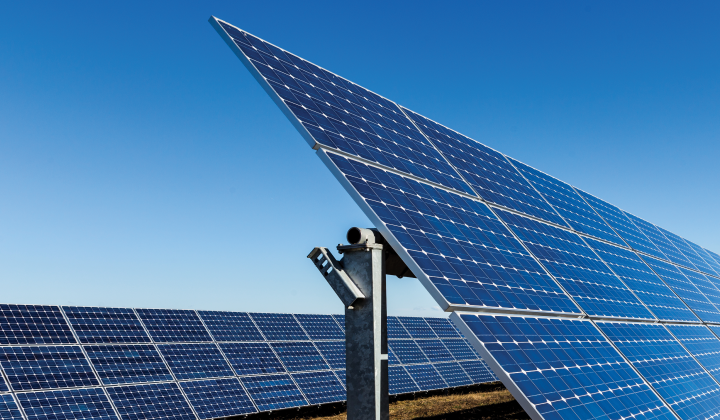
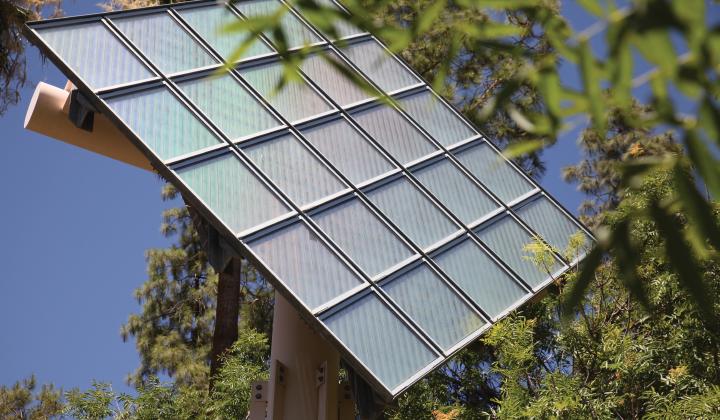
Photovoltaics is a solar technology that directly converts sunlight into electricity. Photovoltaic cells work by precipitating silver chloride in an acidic solution and exposing it to sunlight. Platinum electrodes connected to the silver chloride generate electricity. Each cell in a photovoltaic panel contains this solution or a similar solution. Photovoltaics are used in both commercial and public applications. The largest photovoltaic power plants are located in the United States, India, and China. These plants produce hundreds of megawatts, powering millions of homes, businesses, schools, and hospitals. Smaller applications, such as a home solar power system, provide electricity to homes and sometimes also return electricity to the grid. There are systems as small as calculators and parking meters that also use photovoltaics as a source of electricity.
Photovoltaic applications
Commercial
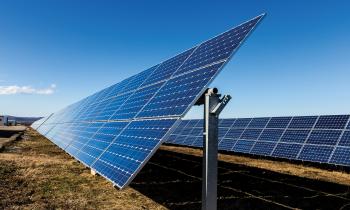
There are commercial applications, such as photovoltaic factories, large facilities, and large businesses, which provide energy to millions of people.
Personal/portable
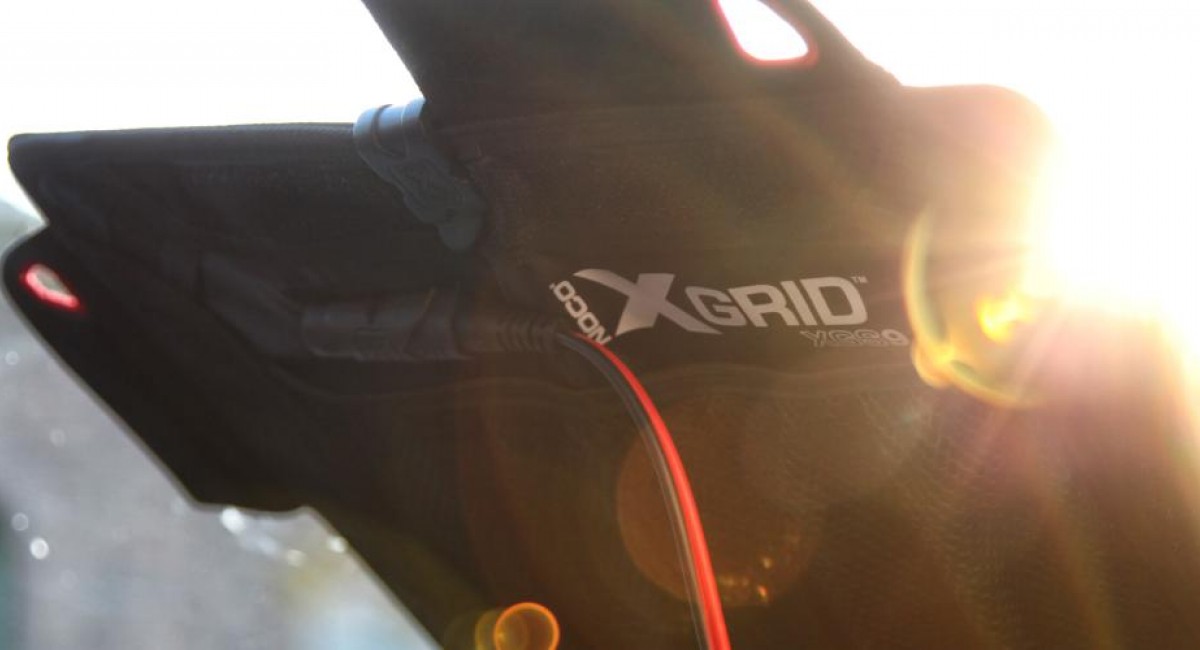
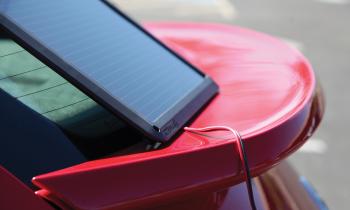
Examples of personal solar applications are battery maintainers, outdoor lighting, calculators, and more.
Domestic
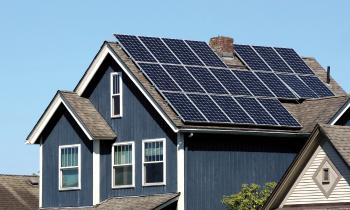
Home installations provide power for personal use and sometimes the homeowner has the option to sell excess energy to the grid.
How photovoltaics work
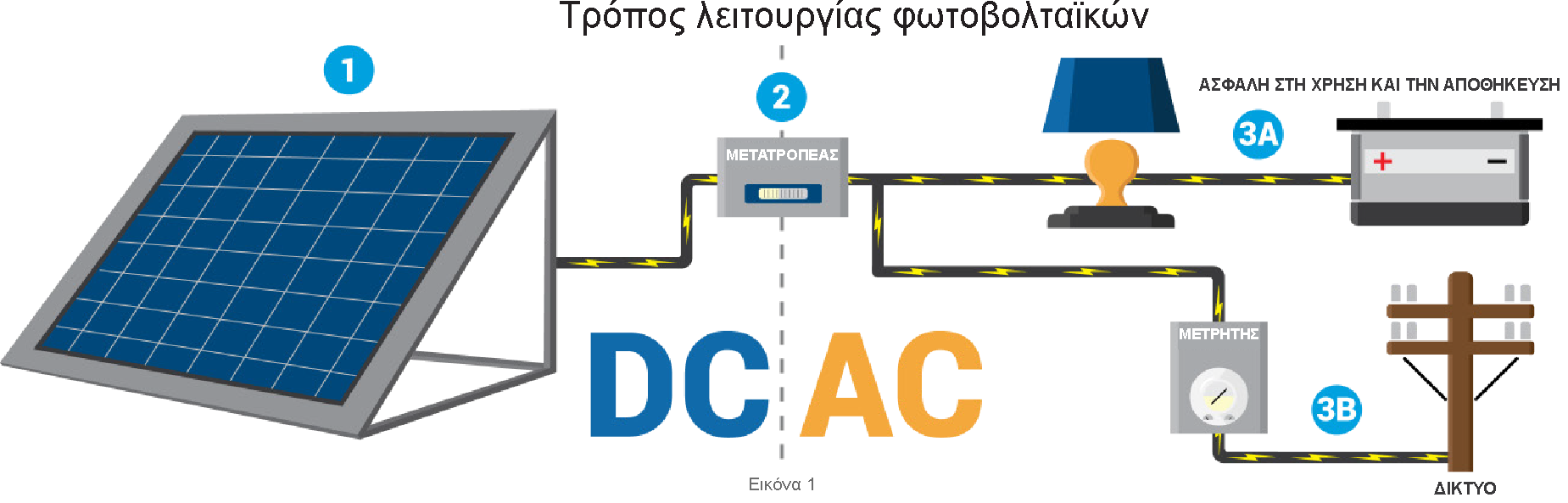
The process of generating electricity using photovoltaics begins with the reflection of sunlight on the photovoltaic cells. When sunlight hits the cell, the silver chloride electrodes create an electric current (Step 1). In the case of photovoltaic panels used in home applications, the electricity produced is direct current (DC). The direct current is passed through an inverter where it is inverted into alternating current (AC) (Step 2). The alternating current is then either used to power household electronics (Step 3A) or sent to the grid where it can be used by everyone (Step 3B).
Concentrated Solar Power (CSP)
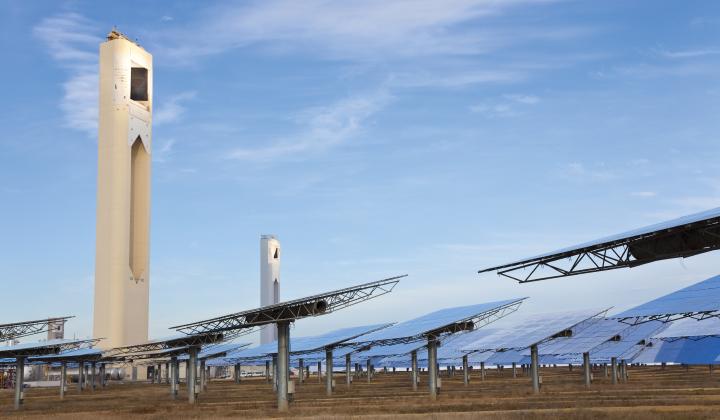
Concentrated solar power is a solar technology that converts sunlight and the heat generated by sunlight into electricity. The process can be done in two ways: with parabolic troughs and with solar power towers. Parabolic troughs use large concave mirrors that reflect sunlight onto a central tube filled with water or liquid sodium. The water or liquid sodium is heated and converted to steam. The steam is then pressurized and used to spin a turbine. The turbine is connected to a generator that converts the turbine's motion into electricity. Solar power towers operate using a process similar to that used by parabolic troughs, with the only difference between the two being that solar power towers use focused light from hundreds of panels called heliostats. Heliostats track the movement of the sun and focus the light onto the top of a central tower.
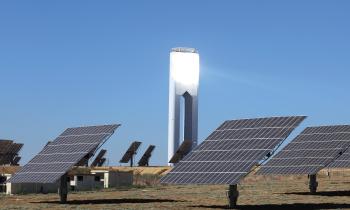
Solar energy tower
This image shows sunlight striking a power tower. The light produced by the concentrated sunlight is so intense that the edges of the receiver area cannot be seen with the naked eye. The heat produced by the concentrated sunlight can reach 1000 degrees Fahrenheit.
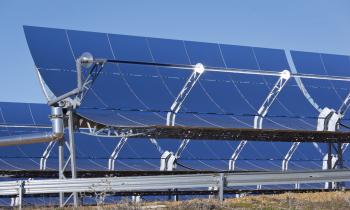
Parabolic trough
This image shows a parabolic trough. Light is seen striking the central tube, causing the liquid sodium to reach temperatures of over 750 degrees Fahrenheit.
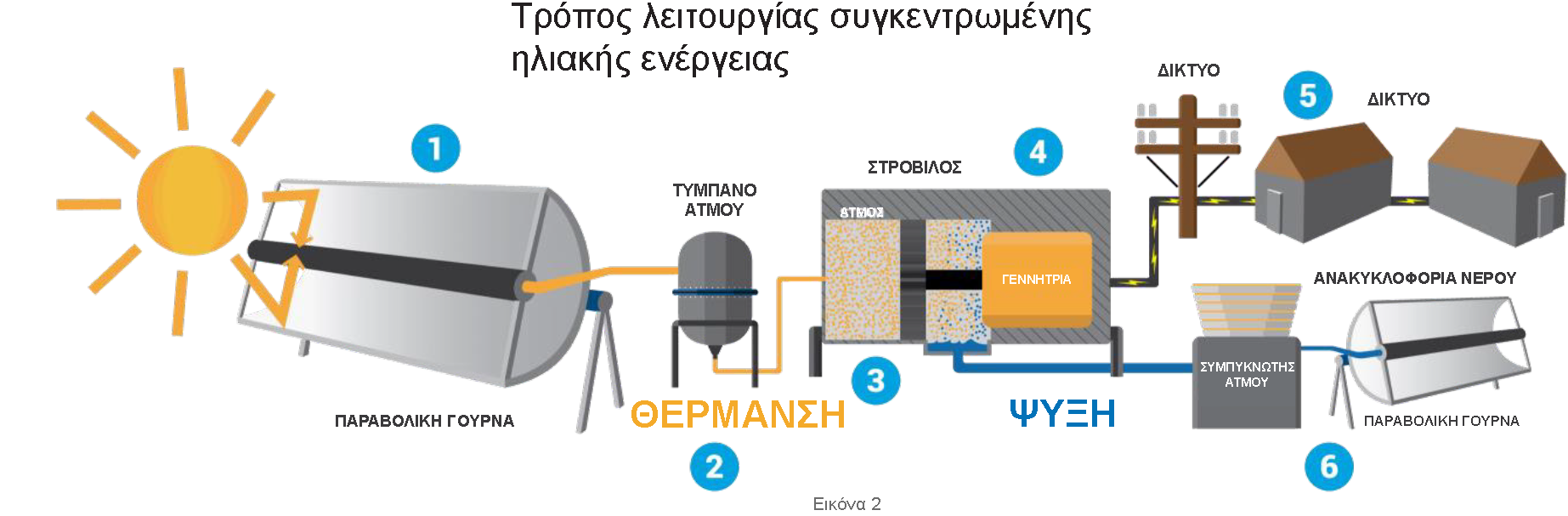
How concentrated solar power works
The process of capturing electricity from the sun using CSP begins when sunlight is reflected and concentrated at a point. In parabolic troughs, the light heats a tube of water (Step 1). The water is then converted to steam, which is sent to a steam drum where it is compressed (Step 2). The steam is then used to drive a turbine that converts kinetic energy into electricity (Step 3). The kinetic energy is converted into useful energy by a generator (Step 4). The power is then sent to the grid where it can be used by millions of people (Step 5). After passing through the turbine, the steam is condensed back into liquid form and then recycled (Step 6). The process used in power towers is the same, except that instead of using a trough to reflect light, power towers use hundreds of mirrors that capture sunlight, called heliostats. These heliostats focus the light onto a single point on a central tower. The tower contains water or liquid silicone and is then heated, creating steam.
Conclusion
Both photovoltaics and concentrated solar power are efficient methods of harvesting energy from the sun. Both technologies are designed to maximize productivity while minimizing the overall footprint. The difference between them is that photovoltaics convert sunlight directly into energy, while CSP uses the heat from light and converts the heat into kinetic energy, which is then converted into useful electricity. Both technologies are becoming increasingly widespread, and scientists are discovering new ways to make these technologies more efficient or even new solar technologies that can outperform existing technologies.